The Vision
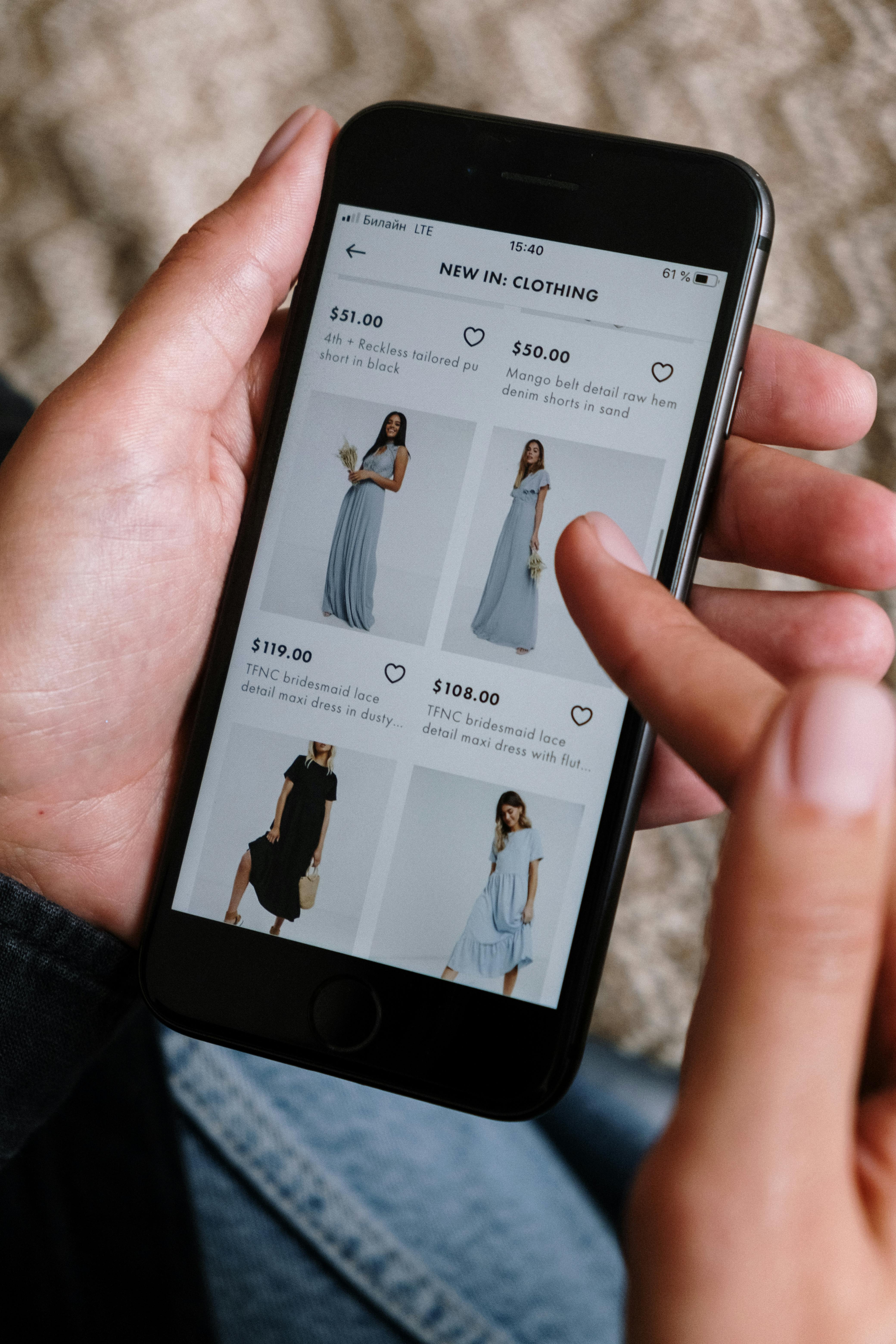
A great shopping app. But users had no reason to open it when they weren't buying.
A leading fashion retailer had built an app optimized for seamless shopping. It worked. But it was purely transactional — users came when they had something to buy, completed the task, and left. There was no engagement layer that brought them back between purchases.
The team had a clear vision for what they wanted: an Inspiration Hub — an interactive space where users could explore curated content, discover new styles, and stay connected to the brand even when not actively shopping. The goal was to transform the app from a utility into a habit.
My role was to understand how users actually seek fashion inspiration in their lives — and translate those real behaviours into a feature that felt natural, not forced.
Research Approach
A three-phase discovery to understand inspiration from the inside out.
Surface-level preference questions wouldn't be enough. To design a habit-forming experience, the research needed to capture inspiration as it actually happened — including the emotional texture of how it felt. Three methods ran in sequence, each building on the last.
Diary Study — Two Weeks on Dscout
12 participants documented their fashion inspiration moments over two weeks using the Dscout platform — capturing both active searches (deliberately looking for something) and passive moments (stumbling across something unexpectedly). The diary format captured inspiration as it happened, in context, rather than recalled in a lab. This gave a real picture of sources, triggers, moods, and the effort involved.
Follow-Up Interviews — The Emotional Layer
One-on-one interviews with diary participants to uncover the themes and emotional drivers behind their inspiration behaviour. A key focus: how did users feel about the time and effort they were spending? The interviews surfaced not just what people did, but what the experience felt like — and where it was letting them down.
Concept Testing — Two Directions Evaluated
Working with the design team, two distinct concepts for the Inspiration Hub were developed and tested with participants — evaluating engagement, emotional connection, and which approach felt most relevant to how users actually sought inspiration. The findings from the diary study directly shaped what the concepts prioritized.
Key Insight
Active inspiration-seeking had a dark side: the rabbit hole.
The diary study revealed a pattern that no one had named before but every participant recognised: when users were actively seeking inspiration for a specific purpose — a particular occasion, a trend, a wardrobe refresh — they would dive deep into browsing and often not come back up.
Hours would pass. Tabs would multiply. They'd move from one platform to another, following threads of loosely related content. And then — rather than feeling inspired — they'd end up overwhelmed and empty, with no clear direction and no closer to what they'd been looking for.
"The search for inspiration was supposed to feel exciting. Instead, it often ended in fatigue — too much content, not enough that actually felt like theirs."
This highlighted what the Inspiration Hub needed to solve: not just a content surface, but a focused, personalized experience that helped users find relevant inspiration without the psychological cost of endless, unguided scrolling.
The Two Concepts
Two directions tested — and users responded to both.
Two distinct approaches were designed and tested to address the insights. Both focused on personalization as the antidote to the rabbit hole — but from different angles.
Style Quiz Concept
A personalized quiz to surface the user's style preferences and build a curated inspiration feed based on their tastes. The quiz gave users immediate agency — instead of browsing blindly, their feed was shaped by choices they'd made. Content felt tailored rather than generic from the first scroll.
Curated Photo Inspiration
A shoppable image gallery built on the user's known preferences and data — featuring street photography that resonated with their personality, lifestyle, and body shape. Filters for values, activity types, and specific fashion needs ensured relevance. The experience felt human and real, not algorithmically generic.
Both concepts resonated strongly in testing. Participants expressed genuine excitement about personalized content that matched their tastes without the overwhelm of unfiltered browsing. The recommendation: merge them. The Style Quiz would provide the foundation of explicit preferences; the Curated Photo feed would deliver a visually rich, shoppable experience built on top of it.
Building the Inspiration Hub
Three features that made personalization feel effortless.
With refined insights and a merged concept direction, the work moved into close collaboration with designers and stakeholders to implement the final prototype. Three features defined the experience.
Tailored recommendations — Content personalized to each user's unique preferences, body shape, and activity-related needs. The feed felt individual rather than mass-produced — closing the gap between "browsing" and "finding something for me."
Quick access to curated collections — Easily navigable collections designed for specific occasions: trend discovery, styling advice for life activities, event dressing. Users could arrive with a specific need and find a focused path — rather than an open-ended scroll.
Shoppable integration — A seamless transition from inspiration to purchase, allowing users to shop directly from their feed without leaving the experience. The inspiration-to-checkout path was frictionless — which meant discovery could drive conversion naturally, not through interruption.
The Outcome
17% more time in app. And a transactional app that became a destination.
Within the first month of launch, time spent in the app increased by 17%. Users felt more connected to the brand and appreciated finding relevant inspiration without the overwhelm of unstructured browsing. The Inspiration Hub transformed a transactional app into a place of discovery and connection.
Beyond engagement, the team gained something durable: a clear picture of user preferences, behaviours, and emotional patterns that would inform content strategy going forward. The diary study's insight about the rabbit hole — the psychological burden of active inspiration-seeking — became a lens the team continued to apply when evaluating future features.
Results
17%
increase in time spent in app within the first month of the Inspiration Hub launching
2 → 1
concepts tested and merged into a single, stronger experience grounded in how users actually seek inspiration
12
diary study participants over 2 weeks — capturing inspiration in-the-moment via Dscout, not recalled in a lab